How Sustainable Packaging Helps Protect Herbal Products and Promote Better Health Choices

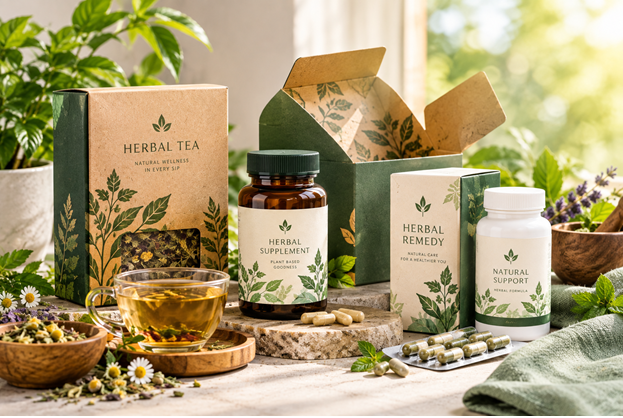
Herbal products have become an important part of many people’s wellness routines. From herbal teas and natural supplements to botanical extracts and plant-based remedies, these products depend on proper handling and packaging to maintain their quality. While the ingredients themselves receive most of the attention, packaging also plays an important role in protecting herbal products from environmental factors and maintaining their condition throughout their usable life. Sustainable packaging provides an opportunity to combine product protection with environmentally responsible practices. Well-designed Custom Boxes can help create a protective barrier against dust, light, moisture, and physical damage while also providing space for important product information. When packaging is designed with appropriate materials and practical features, it can support both product quality and a more responsible approach to consumption.
Why Packaging Matters for Herbal Products
Herbal products can be sensitive to external conditions. Exposure to excessive moisture, heat, air, or direct light may affect certain natural ingredients over time. Packaging therefore needs to do more than simply hold a product. It should help create an environment that supports the stability and protection of the contents. Custom Medicine Packaging can provide a practical way to organize and protect health-related products while allowing packaging features to be tailored to specific product requirements. For example, herbal teas may need protection from moisture to help preserve their texture and aroma, while certain botanical products may benefit from packaging that limits exposure to light. Protective packaging can also reduce the possibility of physical damage during handling and storage. Choosing a suitable packaging structure according to the characteristics of the product can therefore contribute to better preservation.
Sustainable Packaging and Product Protection
Sustainable packaging does not necessarily mean sacrificing protection. Modern packaging solutions can combine recyclable, responsibly sourced, or reduced-material options with functional designs that help safeguard herbal products. Using the right material thickness, structural design, and protective features can help reduce unnecessary packaging while still providing adequate support. This approach can be particularly useful for herbal products because packaging often needs to balance protection, convenience, storage, and environmental considerations.Another advantage is that thoughtful packaging design can reduce material waste. Instead of using excessive layers or unnecessarily large containers, businesses can select packaging and structures that are appropriate for the product. This can make packaging more efficient while maintaining its protective purpose.
The Role of Sustainable Materials
Material selection is one of the most important aspects of sustainable packaging. Paperboard and other fiber-based materials can provide practical options for products that require lightweight yet durable outer packaging. Recyclable materials may also support waste-reduction goals when they are properly collected and processed through available recycling systems. However, sustainability should be considered as more than simply choosing a material labeled “eco-friendly.” The entire packaging design should be evaluated, including how much material is used, how the package is produced, how effectively it protects the product, and what happens to it after use. For herbal products, this balanced approach can help create packaging that supports both product integrity and environmental responsibility.
How Packaging Can Support Better Health Choices
Packaging can also play a useful role in helping consumers make informed decisions about herbal products. Clear and readable information can make it easier to understand what a product contains, how it should be stored, and how it is intended to be used. Important details such as ingredients, directions, storage instructions, warnings, and expiration information can help consumers handle herbal products appropriately. Well-organized packaging can make these details easier to find without overwhelming the reader. When information is presented clearly, consumers can better understand the product before incorporating it into their daily wellness routine. This is particularly important for herbal products because natural ingredients can vary considerably in their characteristics and intended uses.
Protecting Herbal Products From Environmental Factors
Environmental exposure is another reason packaging design matters. Moisture can affect certain dry herbal products, while excessive heat and light may influence the quality of some botanical ingredients. A suitable outer package can provide an additional layer of protection during storage and everyday handling. Packaging can also help keep individual products organized and protected from dust or accidental physical damage. For products that are transported or stored for extended periods, a sturdy package can help maintain their condition until they are ready to be used. The appropriate level of protection depends on the specific herbal product. Packaging should therefore be selected according to the product’s characteristics rather than relying on a single solution for every type of natural health product.
Reducing Packaging Waste
Sustainable packaging also focuses on using resources efficiently. Excessive packaging can create unnecessary waste, particularly when multiple layers or oversized boxes are used without providing additional practical benefits. A more thoughtful design can use an appropriate amount of material while still offering sufficient protection. Right-sized packaging is one simple way to reduce unnecessary material. Lightweight structures can also reduce the resources required for manufacturing and transportation when they are suitable for the product. At the end of their useful life, recyclable packaging materials may provide another opportunity to reduce the amount of waste sent to landfills, depending on local recycling facilities.
Making Packaging More Consumer-Friendly
Sustainability and convenience can work together. Herbal product packaging can be designed to make storage, opening, handling, and disposal easier for consumers. Clear labeling and an organized layout can improve the overall experience while reducing confusion about the product. For example, packaging can clearly separate important information such as ingredients, usage directions, storage recommendations, and disposal guidance. This practical approach can make a package more useful without adding unnecessary materials or decorative elements.
Building Trust Through Responsible Packaging
Packaging is often one of the first things consumers notice about a product. Clean design, accurate information, and appropriate protective features can create a more organized and professional presentation. For herbal products, responsible packaging can also communicate that attention has been given to both product protection and environmental considerations. However, packaging should support genuine product information rather than make unsupported health claims. Clear communication is especially important for natural health products because consumers should be able to distinguish factual product information from promotional statements. A balanced packaging approach can therefore contribute to transparency, product awareness, and responsible consumer choices while keeping sustainability at the center of the design.
Practical Ways to Make Herbal Product Packaging More Sustainable
Creating sustainable packaging for herbal products requires a balance between protection, functionality, and responsible material use. One practical approach is to choose packaging materials that are appropriate for the product while avoiding unnecessary layers or oversized structures. Another important consideration is packaging durability. A package that protects its contents effectively can help reduce product damage and waste. If herbal products are damaged because of moisture, impact, or poor storage conditions, the resources used to produce those products may also be wasted. Properly designed packaging can therefore contribute to waste reduction by helping products remain in suitable condition. Businesses can also consider recyclable or responsibly sourced materials where appropriate. Clear disposal instructions may further help consumers understand how to handle packaging after use. These small details can support more responsible packaging habits.
The Connection Between Packaging and Environmental Responsibility
The environmental impact of packaging extends beyond the material itself. Manufacturing, transportation, storage, and disposal can all contribute to the overall footprint of a package. Using an efficient design can help address several of these areas at once. Lightweight packaging may require fewer resources to produce and can potentially reduce transportation weight. Compact designs can also make storage more efficient. When recyclable materials are used and properly processed after disposal, they may contribute to a more circular approach to packaging. For herbal products, sustainability should always be balanced with the level of protection required. A package that is environmentally preferable but unable to protect its contents may ultimately result in greater waste. The most practical approach is to consider both environmental impact and product requirements together.
Supporting a More Responsible Health Product Experience
Sustainable packaging can contribute to a better overall experience by combining protection, information, convenience, and environmental awareness. When consumers can easily identify ingredients, storage instructions, expiration information, and disposal guidance, they have more information available to make responsible choicesPackaging alone cannot determine whether a herbal product is effective or appropriate for an individual. However, clear communication and suitable protection can help consumers understand and handle products more responsibly. As interest in natural wellness products continues, packaging can become an important part of the conversation around sustainability. Thoughtful material selection, efficient designs, clear labeling, and adequate product protection can help create packaging that serves both people and the environment.
Conclusion
Sustainable packaging offers a practical way to protect herbal products while reducing unnecessary environmental impact. From choosing appropriate materials to designing protective and right-sized packages, every aspect of packaging can contribute to a more responsible product experience. For herbal products, the primary goal should remain proper protection and clear communication. When these priorities are combined with efficient material use and responsible disposal practices Custom Packaging can support product quality while encouraging more sustainable choices. A thoughtful approach to packaging can therefore benefit consumers, products, and the environment at the same time.
Frequently Asked Questions
1. Why is sustainable packaging important for herbal products?
Sustainable packaging can help protect herbal products while reducing unnecessary material use and environmental waste. It can combine practical product protection with more responsible packaging practices.
2. How does packaging protect herbal products?
Packaging can help protect herbal products from factors such as moisture, light, dust, heat, and physical damage. The level of protection needed depends on the characteristics of the individual product.
3. Can eco-friendly packaging protect herbal supplements effectively?
Yes, suitable sustainable materials and well-designed structures can provide effective protection. The material and design should be selected according to the specific storage and protection requirements of the herbal product.
4. What materials are commonly used for sustainable packaging?
Paperboard and other fiber-based materials are commonly considered for sustainable packaging applications. The appropriate choice depends on product requirements, durability, recyclability, and available waste-management systems.
5. How can packaging reduce waste?
Packaging can reduce waste through right-sized designs, efficient material use, durable structures, and recyclable materials where appropriate. Avoiding unnecessary layers can also reduce excess packaging.
6. Does sustainable packaging affect product quality?
Sustainable packaging does not automatically reduce product quality. When properly designed, it can provide the necessary protection while using materials more efficiently.
7. Why is moisture protection important for herbal products?
Moisture can affect certain dry herbal products and may influence their texture, stability, or overall condition. Suitable packaging can provide an additional barrier against environmental moisture.
8. Can packaging help consumers make better health choices?
Packaging can provide useful information such as ingredients, directions, storage instructions, warnings, and expiration details. Clear information can help consumers understand and handle products appropriately.
9. What information should herbal product packaging include?
Depending on the product and applicable requirements, packaging may include ingredients, directions for use, storage information, expiration details, warnings, and other relevant product information.
10. How does right-sized packaging support sustainability?
Right-sized packaging uses an appropriate amount of material for the product rather than relying on unnecessarily large boxes or excessive layers. This can help reduce material waste and improve packaging efficiency.
11. Is recyclable packaging always more sustainable?
Not necessarily. Sustainability depends on several factors, including material production, packaging design, transportation, durability, and whether suitable recycling facilities are available. A package should be evaluated as a complete system.
12. How can packaging reduce environmental impact?
Efficient material use, appropriate sizing, lightweight designs, responsible material selection, and proper disposal or recycling can all contribute to reducing the environmental impact of packaging.
13. Why is clear labeling important for herbal products?
Clear labeling helps consumers find important product information more easily. Details such as ingredients, storage instructions, directions, and expiration information can support responsible product handling.
14. Can sustainable packaging improve the consumer experience?
Yes. Packaging that is easy to open, store, understand, and dispose of can make products more convenient for consumers while supporting environmental considerations.
15. What is the best approach to sustainable herbal product packaging?
A balanced approach is generally useful: choose materials and designs that provide adequate product protection, use resources efficiently, communicate important information clearly, and consider what happens to the packaging after use.